
Build Strong Reading Skills Before Grade One!
Give your child a head start in school and life with Little Readers.
Sign Up Today!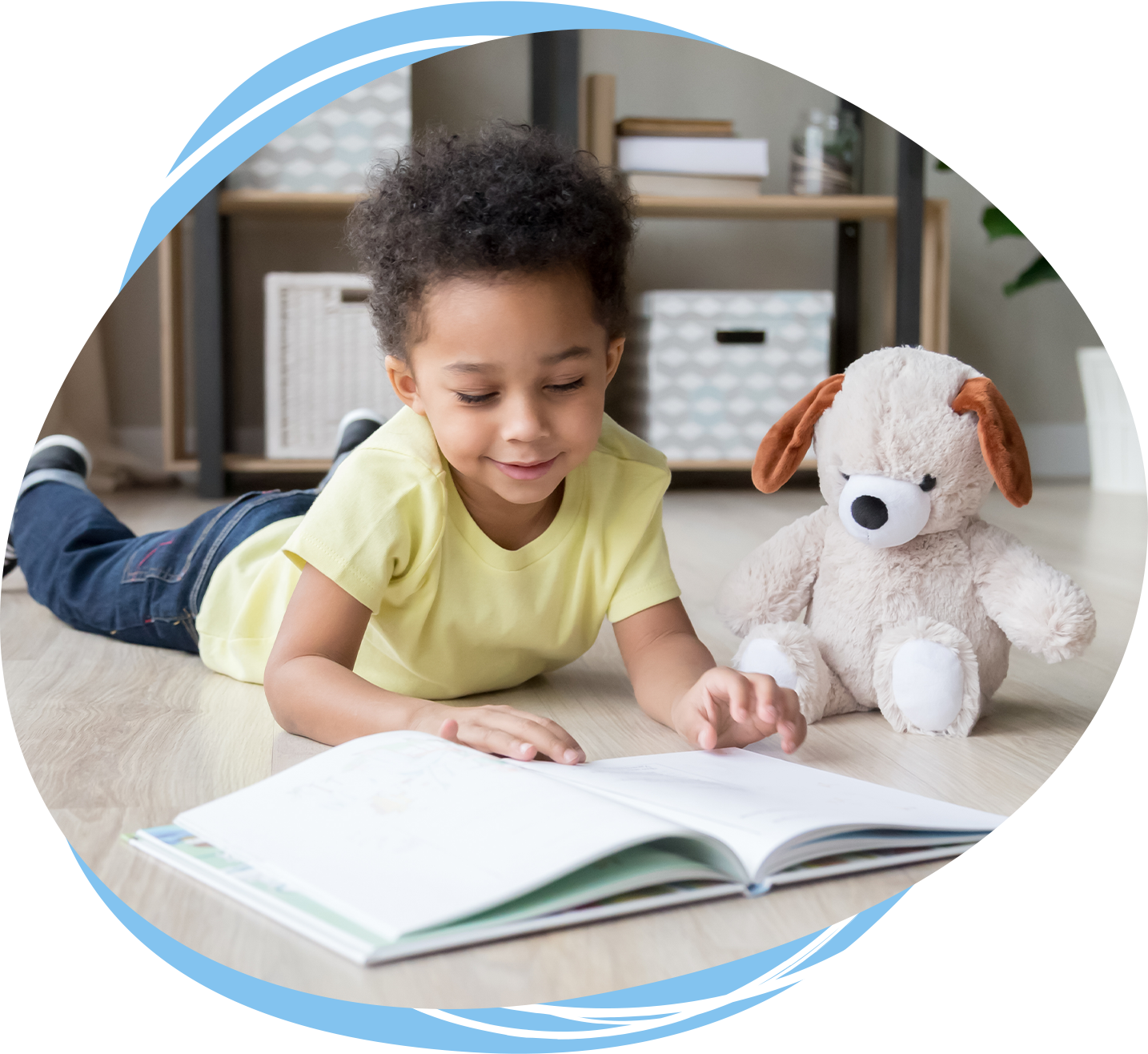
Say Goodbye To Summer Learning Loss
Better grades next year begin with our summer programs.
Enrol Today!
Celebrating 40 Years of Helping Students Get Better Grades!
Enrol
Locations
Programs
Find a Program
Browse by Age or Subject




No Matter What Your School Questions Might Be, Oxford Learning Has Your Tutoring Solutions
With customized tutoring programs designed to move at your child’s pace—never too fast or too slow—your child will learn to think actively and critically about the process of learning.
Learning skills are skills that students use in every subject in school. By developing better thinking and learning skills your child will get a transferable set of skills that can be used in every subject, in every grade.
Once your child’s learning skills improve, so does their school confidence. Better school confidence leads to better grades—in every subject, for every grade.
Let's Get Started
What Program Can Help Your Child Succeed?
From learning to read to preparing for postsecondary success, Oxford Learning has a full range of programs for every age, grade, and subject. Enrol today!

What Parents
And Students Are Saying...
Beyond the progress made academically, we have seen unbelievable improvements in Bria’s self-confidence and self-esteem. I think that the biggest gain that Bria has made this year is how she handles the unexpected. Oxford Learning has provided a safe environment for Bria to further develop her coping skills for when things don’t go according to plan. Thank you so much for being such a positive influence on my daughter!
L. Shannon
Come For Help, Leave With a Stronger Brain
A wide variety of programs for kids from age 3 to Grade 12.